Key Takeaways
Missed call recovery ensures your business never loses a lead due to timing, allowing you to maintain steady growth even when working on-site.
- Implementing automated follow-ups captures leads that would otherwise go to competitors.
- Responsiveness directly correlates with your local reputation and search rankings.
- AI-driven tools provide a cost-effective alternative to hiring additional office staff.
- Consistent messaging through automated channels builds trust with potential clients.
- Data-driven adjustments to your recovery workflow maximize your return on investment.
The impact of missed calls on contracting businesses
When a potential customer dials your number and reaches voicemail, there is a high probability they will simply hang up and call the next business on their list. For many contractors, staying occupied with high-skill manual labor makes being available 24/7 functionally impossible.
Calculating the true cost of a lost lead
Every lost call represents more than just a single job; it represents the long-term value of a client relationship. If you spend significant resources on marketing, every missed lead is effectively burning that budget allocation while you work.
How responsiveness influences local reputation and reviews
Modern homeowners rely heavily on speed when navigating platforms like Google Business Profile to find help. When a customer reaches out, they expect immediate acknowledgement, even if it is just a courtesy message. If you ignore these requests for too long, potential clients may leave poor reviews that damage your local standing. Using a tool like Safety Net helps maintain this responsiveness without demanding your immediate participation during a repair.
Why speed-to-lead is critical in the home services industry
A delay of even a few minutes can determine whether you win or lose a contract. In many cases, missed call recovery for home services initiatives prioritize hitting that first contact window to secure the appointment. Being the first to respond is arguably the most powerful way to signal reliability to a homeowner who is currently dealing with an urgent issue like a leaking roof or failure of a major appliance.
Common root causes for missed calls in trade work

Most missed calls happen because your physical task requires your total attention. Whether you are welding, installing electrical panels, or pouring concrete, stepping away to answer a phone causes safety hazards and project delays.
Balancing field duties with administrative responsibilities
The dual role of contractor and dispatcher creates a difficult bottleneck for most small businesses. You have to handle technical complexities in the field while maintaining a high standard of office management, which is why Lead Lock Tek advocates for passive systems that ensure work is not interrupted by routine inquiries.
Managing seasonal volume and project backlogs
During peak times, the volume of inquiries can spike unexpectedly, quickly overwhelming a small team. When you are managing active backlogs, it becomes even harder to juggle incoming requests efficiently, leading to recurring missed call cycles that drain your potential revenue.
Addressing communication gaps during after-hours inquiries
Many of your best leads come in after standard business hours, usually when a homeowner finishes their work day and discovers a home maintenance need. We have observed that many contractors struggle to bridge this period effectively. Below is a breakdown of how different hours impact your lead capture rates:
| Time of Day | Inquiry Rate | Capture Likelihood |
|---|---|---|
| 8 AM – 5 PM | High | Moderate |
| 5 PM – 9 PM | Very High | Low |
| 9 PM – 8 AM | Low | Negligible |
This table demonstrates that the vast majority of calls occur when human office staff are most likely to be unavailable, meaning automated systems are often the only way to ensure these leads are properly recorded.
Strategies for implementing a successful recovery workflow
Your workflow should focus on ensuring that every person who calls your business feels heard and acknowledges that help is coming. A disorganized approach leads to friction, while a structured protocol turns your phone into a reliable engine for growth.
Automating instant SMS follow-ups for inbound calls
When a call goes unanswered, an automatic text response can bridge the gap immediately. This allows the customer to share their needs via messaging while you continue your current project, keeping them engaged until you are ready to respond manually.
Leveraging CRM integrations to track call history
Centralizing every call, text, and voice message into one dashboard prevents important details from being lost in the noise. When you have a clear history of every interaction, you can provide better service because you already know what the client is asking for before you even pick up the phone.
Optimizing call routing and forwarding protocols
Setting up clear rules for how calls are forwarded ensures that they reach the right person or, if unanswered, follow a predefined path to a recovery tool. This involves:
- Configuring conditional call forwarding to capture misses.
- Testing your routing during non-peak project hours.
- Reviewing routing data to identify common hang-up points.
- Syncing forwarding paths with your current Lead Lock Tek appointment tools.
By systematically testing these methods, you ensure that every potential customer reaches an endpoint that directs them toward a solution rather than a dead end.
Integrating automated tools for missed call recovery
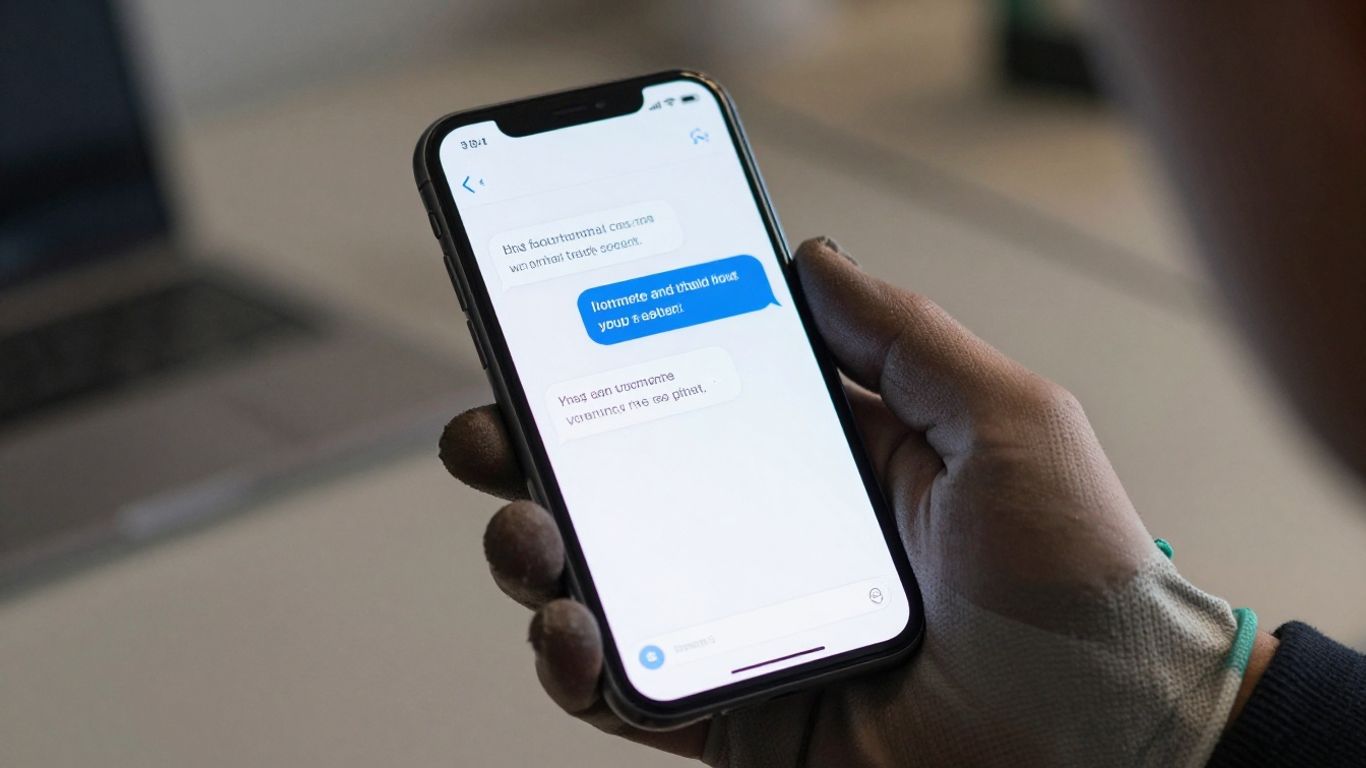
Choosing the right tools determines whether your automation feels helpful or robotic. You want systems that act as an extension of your own business rather than a generic substitute that alienates prospects.
The role of AI-powered conversational bots
Conversational AI can mirror your brand voice to engage customers effectively. It can gather necessary details and answer basic questions about your service area or availability, providing the instant gratification that modern clients demand.
Using automation to qualify leads before direct contact
By filtering incoming requests through an automated qualification process, you ensure that you are only spending time on the most promising opportunities. You can ask simple questions like service location and urgency to ensure that your time spent with the qualified lead is as productive as possible.
Finding the balance between automation and human touch
Automation acts as a filter, not a replacement for your personal touch. By using an AI Receptionist to handle the initial greeting and appointment booking, you preserve your energy for the professional tasks that define your specific reputation, ensuring you only engage when your expertise is required.
Measuring the ROI of your recovery efforts
If you are not tracking the data, you cannot improve the process. Measure the effectiveness of your recovery efforts over time, shifting your approach when you see numbers stagnate.
Tracking lead-to-appointment conversion rates
Monitor how many of your automated interactions ultimately result in a calendar booking. If your conversion rate is low, it might be time to check if your automated scripts are asking the right questions or if your dispatch process is too rigid.
Calculating total revenue rescued from missed calls
Compare the number of jobs booked via recovery tools against your average job ticket price. This calculation gives you a concrete dollar amount that justifies the investment in automation technology.
Using performance data to refine follow-up scripts
Your messaging should adapt based on what works. If a particular follow-up template gets a high response rate, apply that logic across other parts of your communication funnel to see if you can boost overall performance.
Best practices for managing your communication funnel
Managing your funnel is about consistency and clarity in every interaction. Whether you are using automated tools or office staff to manage the flow, clear procedures keep your pipeline moving.
Training office staff on rapid callback protocols
Even when machines do the heavy lifting, your staff needs to know when to chime in. Training them to prioritize callback efficiency ensures that when a client finally needs to talk to a human, they are greeted by someone who understands their situation already.
Establishing standard operating procedures for lead handoffs
Ensure there is a clear defined process when a lead transitions from the automated capture system to your active appointment list. This prevents double bookings and ensures that the client’s information remains consistent from one step to the next.
Centralizing disparate communication channels into one dashboard
When your social media messages, emails, and phone inquiries live in different places, things slip through the cracks. Force every channel into a single view to maintain comprehensive coverage of your lead pipeline.
Conclusion
Establishing a reliable recovery system ensures your business remains resilient against the inevitable interruptions of the field, protecting your hard-earned reputation while keeping your appointment calendar consistently full.
Frequently Asked Questions
What qualifies as a missed call?
A missed call occurs when an inbound lead is not answered within the first few rings, usually resulting in the caller reaching voicemail or the line ringing through to a busy tone.
Does automated recovery feel impersonal to clients?
When designed correctly, automation provides an immediate, courteous acknowledgement of the caller’s request, which most clients find far more helpful than being ignored or left to wonder if the company is ignoring them.
How quickly should I follow up after a missed call?
For the best results, follow-up should occur within the first few minutes after the call; the faster the response, the higher the chance of retaining the lead.
Can I use these tools if I am a one-person operation?
Yes, these solutions are specifically perfect for solo operators who need the benefits of a full front-office staff without the expense of hiring additional employees.
Will this system require technical maintenance?
Modern automated recovery platforms are designed to run in the background with minimal daily input, generally requiring only occasional adjustments to your settings or scripts.
How does this impact my existing phone number?
Most modern services allow you to use your current business phone number, ensuring that your branding and local identity remain consistent during the transition.
Can I customize the messages clients receive?
Systems allow you to tailor the tone and language of your automated messages to ensure they match your unique personal brand and professional standards.